About
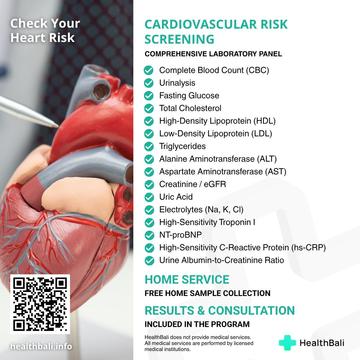
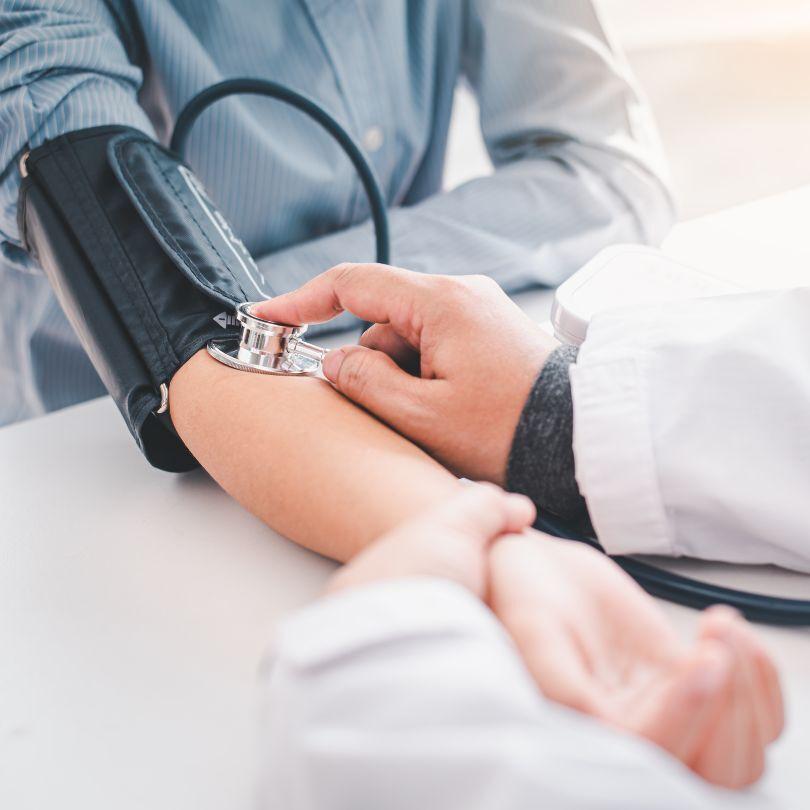
Timely examination allows for the early detection of disease risks and, if necessary, the appointment of proper treatment. Cardiovascular disease diagnostics will be useful for those who have a high predisposition to developing diseases in this area and for those who experience cardiovascular system complaints (high blood pressure, reduced endurance, irregular heart function).
What's included
- For all people with a high risk of developing cardiovascular diseases
- For patients with cardiovascular system complaints (irregular heart function, high blood pressure, reduced endurance)
- For people over the age of 45
- Lipid profile
- Biochemical profile
- Instrumental diagnostics
- Cholesterol
- Triglycerides
- High-density lipoproteins (HDL)
- Low-density lipoproteins (LDL)
- D-dimers
- Potassium
- Sodium
- Chloride
- Calcium
- Glucose
- Complete blood count (hematocrit, hemoglobin, erythrocytes, platelets, leukocytes, leukocyte formula, and ESR)
- Blood urea
- Creatinine/GFR
- Uric acid
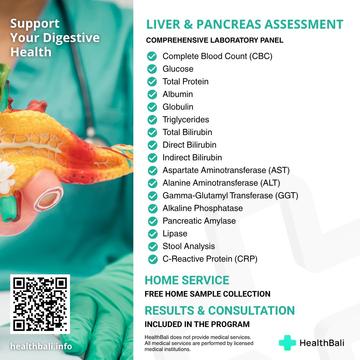
- Total bilirubin
- ALT (Alanine aminotransferase)
- AST (Aspartate aminotransferase)
- Alkaline phosphatase
- Electrocardiogram (ECG)
- Echocardiography
- Cardiologist consultation
- Free at-home sample collection
- Personal online support from a manager at all stages of the examination
Bruising (hematoma) after a blood test
Blood collection is a routine procedure, but it may sometimes cause bruising at the puncture site.
During venous blood collection both the skin and the vein are punctured. When the needle is removed, blood can leak into the surrounding tissue – especially if the pressure in the vein is high – and a hematoma (bruise) may form.
Contributing factors include the body's physiological and anatomical features: the condition of the veins and vessels, their thickness and elasticity, position and visibility.
How to avoid bruising
- Press firmly on the puncture site for 5–10 minutes.
- Keep the plaster on for at least 30 minutes.
- Avoid straining the arm – don't lift anything heavy for an hour and don't drive for the first 15–20 minutes after the draw. Even minor activity can lead to extensive bruising and swelling around the site.