NIPT TriSure Basic (trisomies 13, 18, 21, fetal sex determination) with maternal alpha-thalassemia screening
About
Method – Next-Generation Sequencing (NGS). NIPT TriSure Basic is a non-invasive prenatal screening test for fetal chromosomal abnormalities in early pregnancy. The test assesses the risk of the most common genetic abnormalities: trisomy 21 (Down syndrome), trisomy 18 (Edwards syndrome), trisomy 13 (Patau syndrome), and determines fetal sex. The panel also includes alpha-thalassemia screening for the mother. Features of NIPT TriSure Basic: Uses advanced Next-Generation Sequencing (NGS) technology Blood sample (10 ml) is collected by a qualified professional, with no risk to the pregnancy Can be performed from week 9 of pregnancy Includes free teleconsultation and additional diagnostic support in case of a high-risk result
Bruising (hematoma) after a blood test
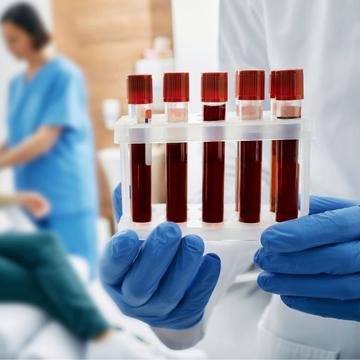
Blood collection is a routine procedure, but it may sometimes cause bruising at the puncture site.
During venous blood collection both the skin and the vein are punctured. When the needle is removed, blood can leak into the surrounding tissue – especially if the pressure in the vein is high – and a hematoma (bruise) may form.
Contributing factors include the body's physiological and anatomical features: the condition of the veins and vessels, their thickness and elasticity, position and visibility.
How to avoid bruising
- Press firmly on the puncture site for 5–10 minutes.
- Keep the plaster on for at least 30 minutes.
- Avoid straining the arm – don't lift anything heavy for an hour and don't drive for the first 15–20 minutes after the draw. Even minor activity can lead to extensive bruising and swelling around the site.