About
This laboratory child checkup is specifically designed for disease prevention and identifying individual risks in young patients. This comprehensive approach helps parents feel confident about their children's health.
What's included
Basic Screening:
- Complete Blood Count (Hematocrit; Hemoglobin; Red blood cells; Platelets; White blood cells; Differential count; ESR)
- Urinalysis
- Fasting blood glucose
These indicators help assess the body's basic functions and detect early symptoms.
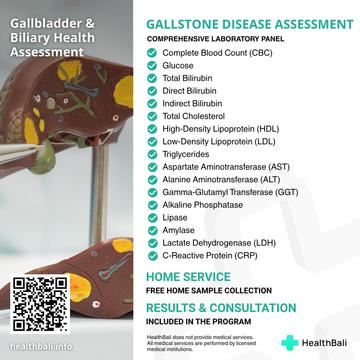
Liver Function Check:
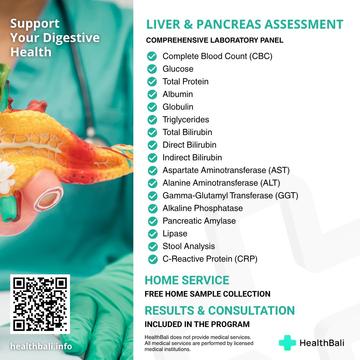
- Aspartate Aminotransferase (AST)
- Alanine Aminotransferase (ALT)
- Alkaline Phosphatase
- Total Bilirubin
- Total Protein
These tests help identify liver changes and determine the child's overall condition.
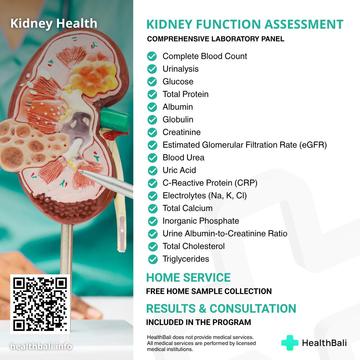
Additional Kidney Function Check:
- Creatinine and Glomerular Filtration Rate (GFR)
Helps detect early kidney function abnormalities.
Anemia Screening:
- Serum Iron
Rickets and Calcium Deficiency Screening:
- Calcium
Helps determine whether the body's calcium needs are being met, which is essential for the child's growth, physical development, and neuropsychological development.
Stomach and Intestinal Health:
- Stool Analysis
Helps detect various gastrointestinal diseases and disorders, including infections, inflammation, and gut microflora imbalance.
Bruising (hematoma) after a blood test
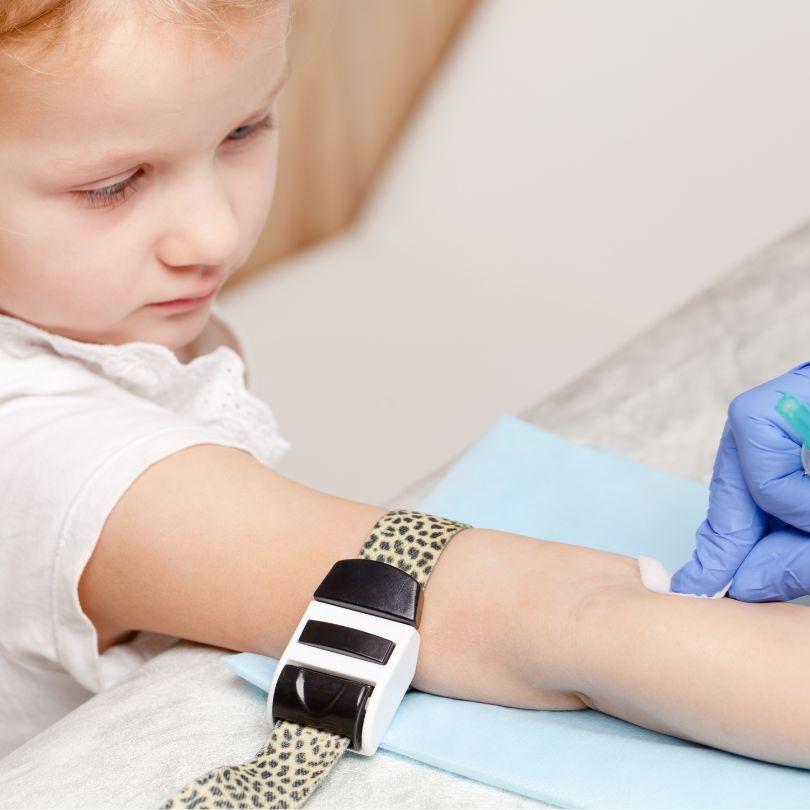
Blood collection is a routine procedure, but it may sometimes cause bruising at the puncture site.
During venous blood collection both the skin and the vein are punctured. When the needle is removed, blood can leak into the surrounding tissue – especially if the pressure in the vein is high – and a hematoma (bruise) may form.
Contributing factors include the body's physiological and anatomical features: the condition of the veins and vessels, their thickness and elasticity, position and visibility.
How to avoid bruising
- Press firmly on the puncture site for 5–10 minutes.
- Keep the plaster on for at least 30 minutes.
- Avoid straining the arm – don't lift anything heavy for an hour and don't drive for the first 15–20 minutes after the draw. Even minor activity can lead to extensive bruising and swelling around the site.