About
The test helps accurately and quickly detect the presence of various viruses, bacteria, and parasites. It allows rapid results (within a few hours) and is especially useful in cases of suspected gastrointestinal infections.
What's included
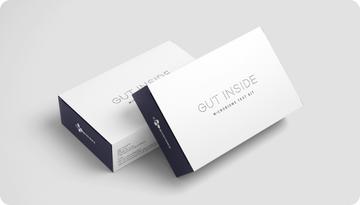
The QIAstat-Dx® Gastrointestinal Panel is a modern diagnostic test that uses real-time Polymerase Chain Reaction (PCR) technology to detect the genetic material of pathogens that may cause gastrointestinal infections. This test helps accurately and rapidly identify a wide range of viruses, bacteria, and parasites associated with gastrointestinal disorders and infections.
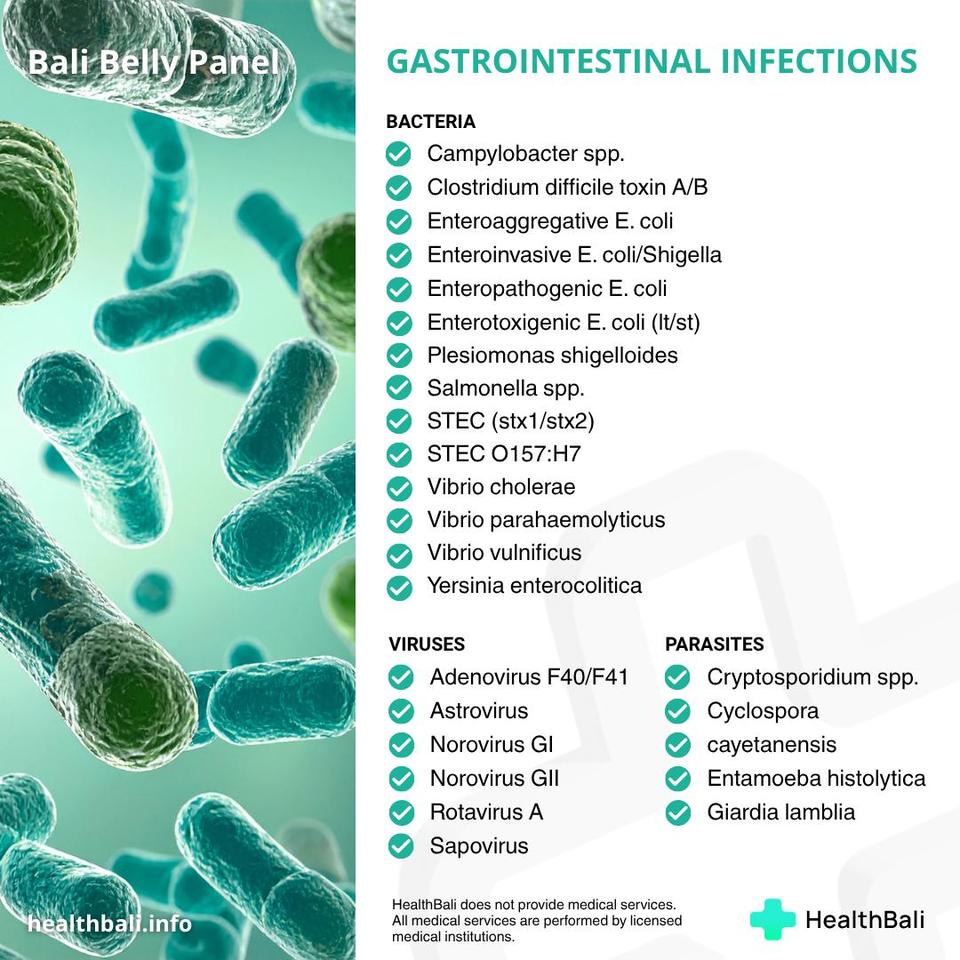
The main advantages of this test are its high sensitivity and specificity. It can identify a broad spectrum of pathogens, including:
Viruses:
- Adenovirus F40/F41
- Astrovirus
- Norovirus GI
- Norovirus GII
- Rotavirus A
- Sapovirus
Bacteria:
- Campylobacter spp.
- Clostridium difficile toxin A/B
- Enteroaggregative E. coli
- Enteroinvasive E. coli / Shigella
- Enteropathogenic E. coli
- Enterotoxigenic E. coli (LT/ST)
- Plesiomonas shigelloides
- Salmonella spp.
- STEC (stx1/stx2)
- STEC O157:H7
- Vibrio cholerae
- Vibrio parahaemolyticus
- Vibrio vulnificus
- Yersinia enterocolitica
Parasites:
- Cryptosporidium spp.
- Cyclospora cayetanensis
- Entamoeba histolytica
- Giardia lamblia
Additional services:
- Free home sample collection
- Personal online support from a manager throughout all stages of the check-up
- Doctor consultation for results review and further treatment or prevention plan
Bruising (hematoma) after a blood test
Blood collection is a routine procedure, but it may sometimes cause bruising at the puncture site.
During venous blood collection both the skin and the vein are punctured. When the needle is removed, blood can leak into the surrounding tissue – especially if the pressure in the vein is high – and a hematoma (bruise) may form.
Contributing factors include the body's physiological and anatomical features: the condition of the veins and vessels, their thickness and elasticity, position and visibility.
How to avoid bruising
- Press firmly on the puncture site for 5–10 minutes.
- Keep the plaster on for at least 30 minutes.
- Avoid straining the arm – don't lift anything heavy for an hour and don't drive for the first 15–20 minutes after the draw. Even minor activity can lead to extensive bruising and swelling around the site.