About
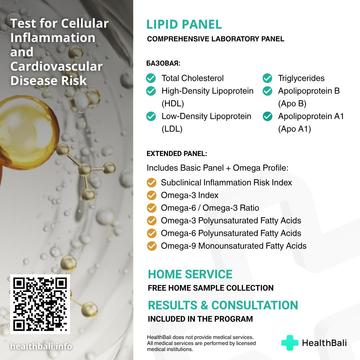
MAST Allergy Panel (108) is a blood test that checks the body's reaction to 108 different allergens (food and household/respiratory) at once. The method is called Multiple Allergen Simultaneous Test (MAST) and helps identify the cause of long-term allergies. What's included in the panel Food allergens: milk, eggs, fish, nuts, grains, meat, and common vegetables or fruits. Respiratory and contact allergens: tree and grass pollen, house dust (mites), animal dander, mold. Key benefits of the test Safety: only one venous blood draw is needed. The result is not affected by allergy medication (antihistamines). Speed and coverage: over a hundred allergens are checked at once, which is useful when the cause of the symptoms is unclear. Benefit: helps the doctor understand exactly what's causing asthma, rashes, a runny nose, or itching.
Bruising (hematoma) after a blood test
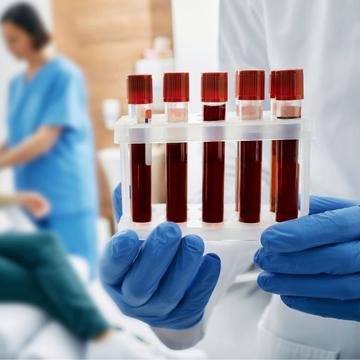
Blood collection is a routine procedure, but it may sometimes cause bruising at the puncture site.
During venous blood collection both the skin and the vein are punctured. When the needle is removed, blood can leak into the surrounding tissue – especially if the pressure in the vein is high – and a hematoma (bruise) may form.
Contributing factors include the body's physiological and anatomical features: the condition of the veins and vessels, their thickness and elasticity, position and visibility.
How to avoid bruising
- Press firmly on the puncture site for 5–10 minutes.
- Keep the plaster on for at least 30 minutes.
- Avoid straining the arm – don't lift anything heavy for an hour and don't drive for the first 15–20 minutes after the draw. Even minor activity can lead to extensive bruising and swelling around the site.