About
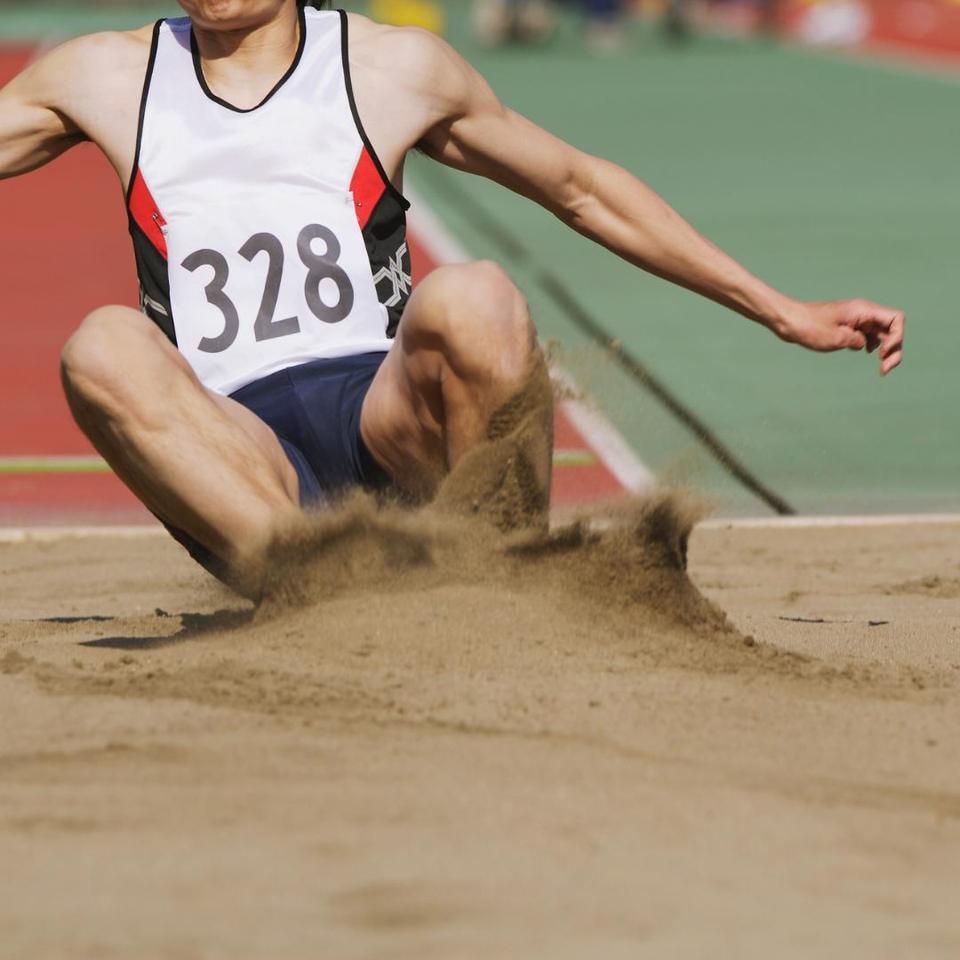
This program helps to identify vitamin D deficiency, calcium-phosphorus metabolism disorders, and bone tissue regulation. It is especially relevant for those engaged in high-impact training (running, jumping, functional workouts), as well as women with unstable menstrual cycles, low body weight, or risk for osteopenia.
What's included
Assesses the level of vitamin D, the key regulator of calcium and phosphorus absorption. Its deficiency decreases bone density, increases the risk of bone fractures, and affects hormonal balance.
A hormone of the parathyroid glands that regulates blood calcium levels. Helps understand how the body manages calcium and phosphorus stores through bones, kidneys, and intestines.
The main mineral of bone tissue. Involved in muscle contraction, nerve transmission, and recovery. Deficiency increases the risk of cramps, fatigue, and bone mass loss.
A mineral closely related to calcium. It is important for bone strength and cellular energy metabolism. PI imbalance may reflect metabolic disorders.
- Detect hidden mineral metabolism disorders
- Assess risks of osteopenia and bone density loss
- Provide a basis for nutrition, supplement, and exercise adjustments
- Free result interpretation (+20% discount on a full medical consultation for assessment and development of further treatment or prevention strategy)
- Free home visit
- Personal online manager support at all stages of the check-up
🎁
Preparation
Beyond these general rules, preparation for some tests and diagnostic procedures may require specific instructions from your treating doctor.
Bruising (hematoma) after a blood test
Blood collection is a routine procedure, but it may sometimes cause bruising at the puncture site.
During venous blood collection both the skin and the vein are punctured. When the needle is removed, blood can leak into the surrounding tissue – especially if the pressure in the vein is high – and a hematoma (bruise) may form.
Contributing factors include the body's physiological and anatomical features: the condition of the veins and vessels, their thickness and elasticity, position and visibility.
How to avoid bruising
- Press firmly on the puncture site for 5–10 minutes.
- Keep the plaster on for at least 30 minutes.
- Avoid straining the arm – don't lift anything heavy for an hour and don't drive for the first 15–20 minutes after the draw. Even minor activity can lead to extensive bruising and swelling around the site.