
About
This comprehensive diagnostic panel evaluates the levels of essential vitamins, macro- and microelements, as well as the presence of toxic heavy metals in the body. It is ideal for those looking to adjust their diet, improve overall health, strengthen immunity, or prevent deficiencies.
What's included
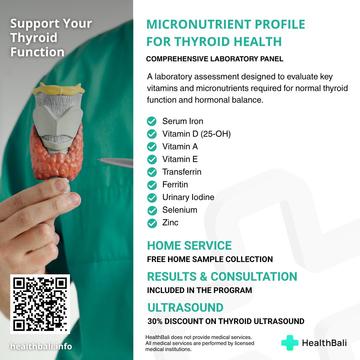
• Vitamin A (Retinol) – essential for vision, cell growth, skin health, and immune function.
• Vitamin E (Tocopherol) – a powerful antioxidant that protects cells, supports skin health, and strengthens the immune system.
• Vitamin B1 (Thiamine) – involved in carbohydrate metabolism, supports the nervous system and heart function.
• Vitamin B6 (Pyridoxine) – necessary for amino acid metabolism, nerve function, and hemoglobin production.
• Vitamin D (25(OH)D) – regulates calcium and phosphorus absorption, strengthens bones and teeth, supports immunity, and balances metabolism.
• Zinc (Zn) – supports the immune system, skin, hair, and nails, and aids in protein synthesis and wound healing.
• Selenium (Se) – a powerful antioxidant that protects cells, supports thyroid function, and boosts immunity.
• Manganese (Mn) – involved in metabolism, bone formation, and blood sugar regulation.
• Copper (Cu) – essential for blood formation, nerve health, and strengthening connective tissues and bones.
• Iron (Fe) – key for hemoglobin production, oxygen transport, and cellular energy.
• Cobalt (Co) – a component of Vitamin B12, crucial for blood formation and nervous system function.
• Vanadium (V) – supports carbohydrate and fat metabolism, bone and dental health, and blood sugar regulation.
• Chromium (Cr) – plays a role in blood sugar regulation and carbohydrate metabolism.
• Molybdenum (Mo) – involved in amino acid metabolism and detoxification.
• Mercury (Hg) – a toxic metal that can damage the nervous system and internal organs.
• Lead (Pb) – a toxic element that can harm the nervous system, kidneys, and bones.
• Free at-home sample collection
• Personal online support from a manager throughout the examination process
Bruising (hematoma) after a blood test
Blood collection is a routine procedure, but it may sometimes cause bruising at the puncture site.
During venous blood collection both the skin and the vein are punctured. When the needle is removed, blood can leak into the surrounding tissue – especially if the pressure in the vein is high – and a hematoma (bruise) may form.
Contributing factors include the body's physiological and anatomical features: the condition of the veins and vessels, their thickness and elasticity, position and visibility.
How to avoid bruising
- Press firmly on the puncture site for 5–10 minutes.
- Keep the plaster on for at least 30 minutes.
- Avoid straining the arm – don't lift anything heavy for an hour and don't drive for the first 15–20 minutes after the draw. Even minor activity can lead to extensive bruising and swelling around the site.