About
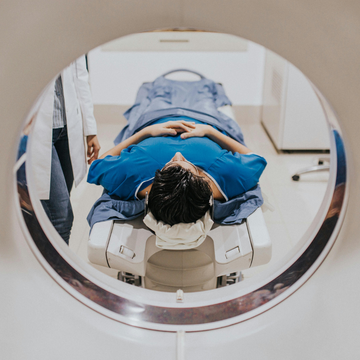
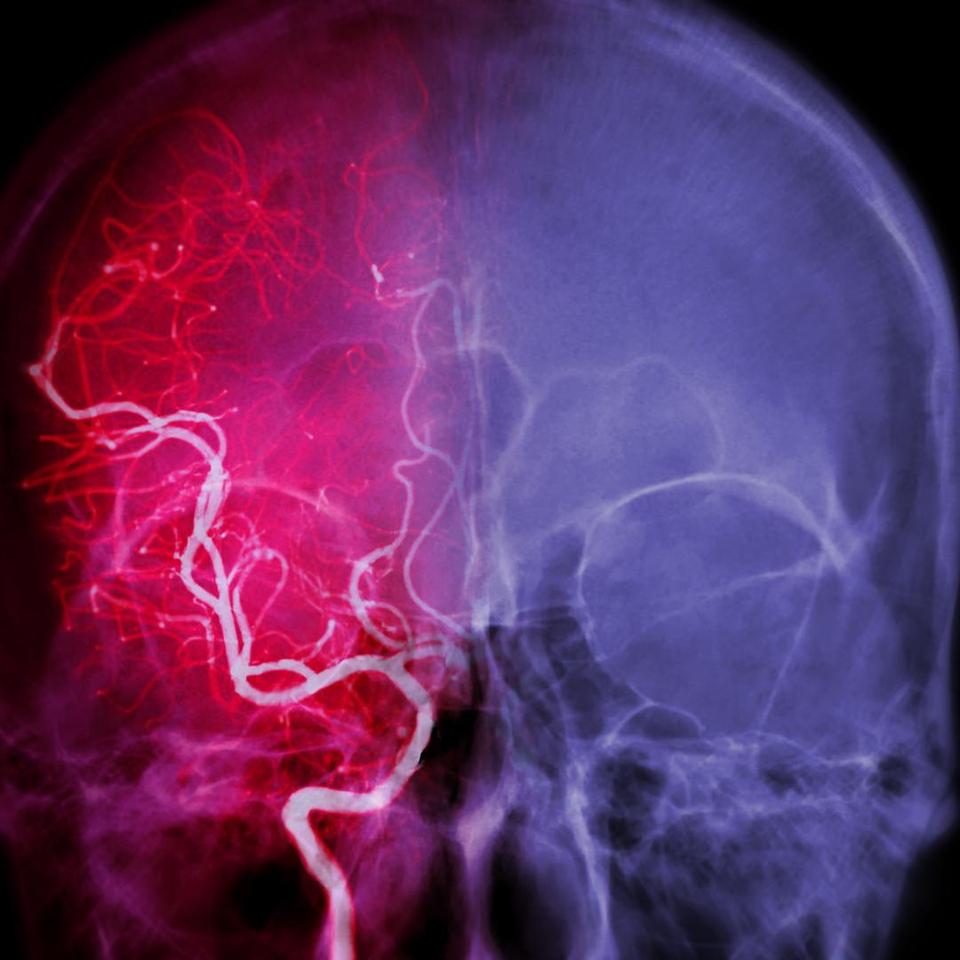
A combined MRI (magnetic resonance imaging) and MRA (magnetic resonance angiography) examination of the brain and the blood vessels that supply it. It can help your doctor assess the condition of the brain tissue and the arteries of the head, and identify findings that may be relevant to stroke risk.
What's included
What is included
- Brain MRI: imaging of brain tissue to assess its structure and look for changes such as signs of previous circulation problems, cysts, tumors, or inflammation
- MRA of the head: imaging of the blood vessels to assess narrowing, aneurysms, and other vascular abnormalities
May be considered if you have
- Risk factors such as high blood pressure, diabetes, high cholesterol, smoking, or a family history of stroke or aneurysm
- Frequent or unexplained headaches
- Dizziness, or changes in vision, hearing, or memory
- A history of head injury or a neurological diagnosis that needs follow-up
1.5 Tesla MRI scanner
A widely used scanner for brain and vascular imaging. Please tell us in advance if you have any implants, pacemakers, or metal in your body, as not all of them are compatible with MRI.
Please note
- The examination does not replace a consultation with a doctor. Results should be interpreted by a physician together with your medical history.
- Not every finding or condition can be seen on MRI/MRA.
Preparation
- Please inform the clinic staff if you have: a pacemaker, metal implants, dental prosthetics, hearing aids, or other metal devices in your body (critical for your safety); claustrophobia (we'll discuss solutions in advance); allergies to medications, iodine, or contrast agents; kidney conditions (a creatinine blood test may be needed for contrast-enhanced scans); pregnancy or breastfeeding; chronic conditions (diabetes, asthma, heart conditions, etc.).
- Continue taking prescribed medications unless otherwise instructed.
- Wear comfortable clothing without metal parts. Remove jewelry, watches, piercings, hair clips, hearing aids, and glasses.
- Fasting is generally not required. If contrast is used, you may need to avoid food for 4–6 hours beforehand; water is fine.
- After receiving contrast, drink plenty of fluids. Seek medical attention immediately if you notice a rash, itching, swelling, or difficulty breathing.
Important: This is a brief guide. Please confirm specific preparation details with your referring physician or the clinic.
Beyond these general rules, preparation for some tests and diagnostic procedures may require specific instructions from your treating doctor.